

clear acid etched glass
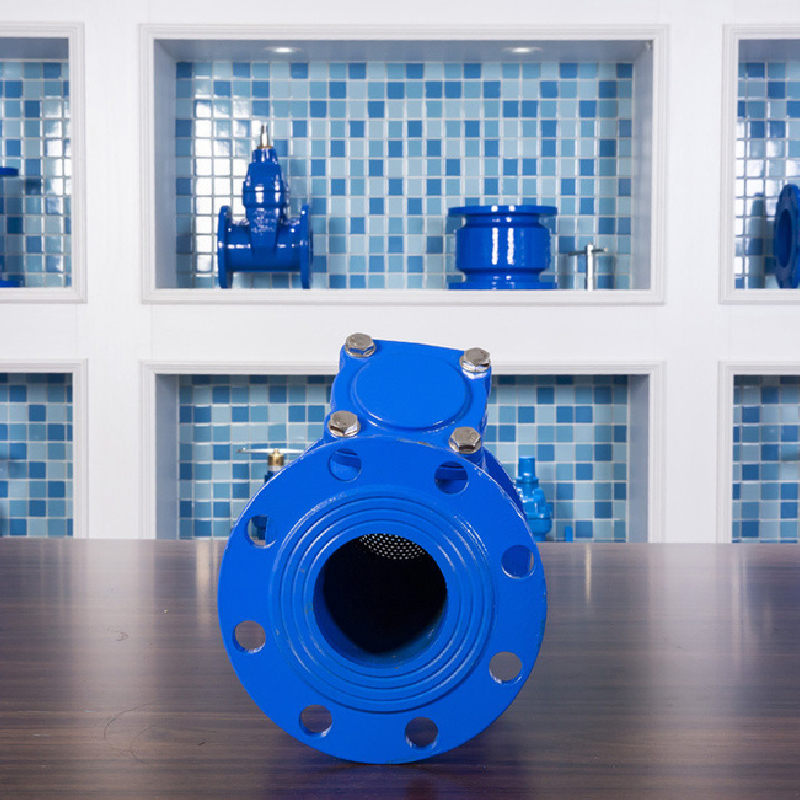
Understanding Filter DN50 An In-Depth Overview In the world of fluid mechanics and engineering, filters play a crucial role in ensuring that systems operate efficiently and effectively. Among the various types of filters used across industries, the DN50 filter has garnered attention for its specific applications and benefits. In this article, we will dive deep into what a DN50 filter is, its specifications, applications, and both its advantages and limitations. What is a DN50 Filter? The term DN50 refers to the nominal diameter of the filter's inlet and outlet ports, specifically 50 millimeters. The DN stands for “Diameter Nominal,” a unit of measurement in the metric system that indicates the size of a pipe or a fitting. Filters are essential components designed to remove contaminants from fluids, be it water, oil, or gas. The DN50 filter is optimized for medium to high flow rates, making it suitable for various applications in industrial processes. Specifications of DN50 Filters Typically, a DN50 filter is constructed from high-quality materials that can withstand different temperatures and pressures. Common materials include stainless steel, plastic, and various alloys, depending on the specific application and environment. Here are some key specifications commonly associated with DN50 filters 1. Flow Rate DN50 filters can handle a substantial flow rate, generally ranging from 15 to 30 cubic meters per hour, though this can vary based on the design and make. 2. Filtration Rating The filtration rating can vary, typically from 50 microns to 300 microns, depending on the purpose of the filter. This rating indicates the size of particles that can be effectively removed from the fluid. 3. Pressure Rating The pressure rating is usually around 10 bar, allowing these filters to function efficiently under considerable pressure. 4. Connection Type Depending on the installation requirements, DN50 filters can come with various types of connections, such as flanged, threaded, or welded. Applications of DN50 Filters Given their robust characteristics, DN50 filters are widely used in diverse industries, including 1. Water Treatment Facilities DN50 filters play a pivotal role in municipal water treatment plants, helping to remove sediments and contaminants to ensure safe drinking water. 2. HVAC Systems These filters are integral to heating, ventilation, and air conditioning systems, enhancing air quality and system efficiency by filtering out dust, pollen, and other particulates. 3. Chemical Processing In chemical plants, DN50 filters are utilized to maintain product purity by removing impurities during production. filter dn50 4. Oil and Gas The oil and gas industry relies heavily on DN50 filters to ensure that pipelines remain clear of debris and contaminants, which can cause disruptions and increase maintenance costs. Advantages of DN50 Filters The use of DN50 filters comes with several notable advantages 1. High Efficiency DN50 filters are designed to operate at high flow rates, making them efficient for large-scale applications. 2. Durability Constructed from robust materials, these filters can withstand harsh conditions, ensuring a long operational life. 3. Easy Maintenance Many DN50 filters feature a user-friendly design that makes them easy to clean and maintain, reducing downtime and operational costs. 4. Versatility Their ability to be used in a multitude of applications makes DN50 filters a favored choice for engineers and facility managers alike. Limitations of DN50 Filters Despite their benefits, DN50 filters may have some limitations, including 1. Cost High-quality DN50 filters can be more expensive than smaller counterparts, which might be a concern for some budget-constrained projects. 2. Space Requirements The physical size of DN50 filters may pose a challenge in environments where space is limited. 3. Maintenance Needs While they are designed for easy maintenance, regular maintenance is still necessary to ensure optimal performance and longevity. Conclusion In conclusion, the DN50 filter is a robust and versatile component integral to a wide range of industrial applications. Understanding its specifications, benefits, and potential limitations can help engineers and facility managers make informed decisions tailored to their specific needs. As industries continue to evolve, the demand for efficient filtration solutions like DN50 filters will undoubtedly rise, underscoring the importance of this vital component in modern engineering.
about
clear acid etched glass
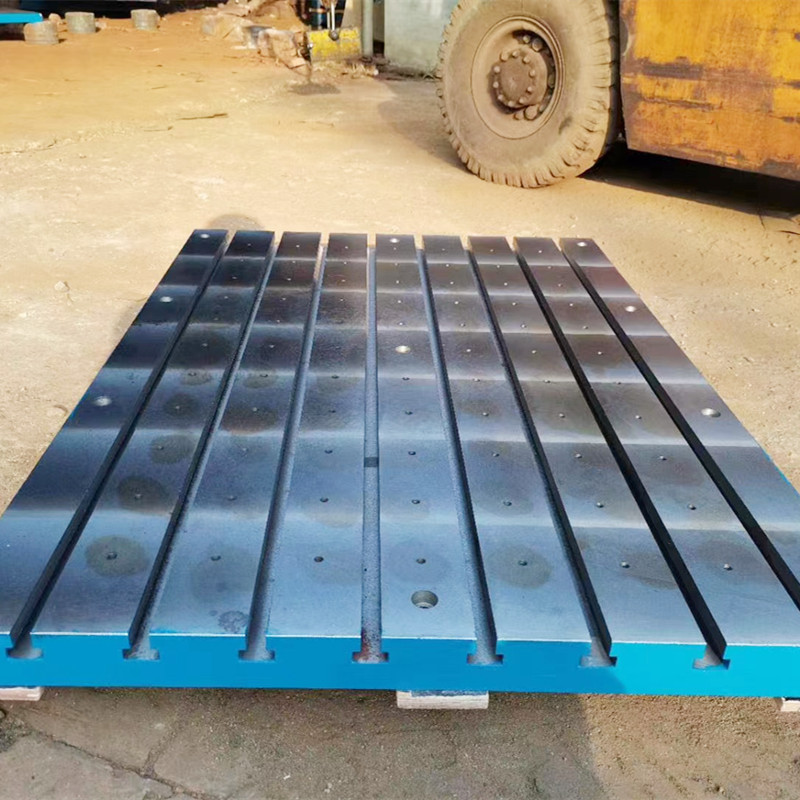
The Art of Stone Surface Plates The art of stone surface plates is a testament to the beauty and durability that can be achieved through the combination of natural materials and human craftsmanship. These plates, often made from granite, marble, or other types of stone, are not only visually stunning but also incredibly resilient, making them a popular choice for both residential and commercial settings. One of the most striking features of stone surface plates is their unique appearance. Each plate is one-of-a-kind, showcasing the natural veining, coloration, and texture inherent in the stone. This variability ensures that no two plates are exactly alike, adding a touch of individuality and charm to any space they grace. The process of creating these plates is a blend of traditional techniques and modern technology. Skilled artisans select high-quality stones based on their aesthetic appeal and structural integrity. They then cut, shape, and polish the stone using advanced machinery, ensuring precision and consistency throughout the production process. Finally, the stone is sealed with a protective coating to enhance its resistance to stains, scratches, and wear. In terms of functionality, stone surface plates excel in several areas In terms of functionality, stone surface plates excel in several areas In terms of functionality, stone surface plates excel in several areas In terms of functionality, stone surface plates excel in several areas stone surface plate . Their heat resistance makes them ideal for use as trivets or hot pads in the kitchen, while their non-porous nature means they are easy to clean and maintain. Additionally, their robust construction ensures that they can withstand the heavy use typically associated with dining tables and countertops. Beyond their practical attributes, stone surface plates bring an element of timeless elegance to any setting. Whether displayed as part of a formal dining set or used as a statement piece in a more casual environment, these plates exude sophistication and refinement. They serve as a bridge between the natural world and human habitation, reminding us of the earth's beauty and the artistry possible when we work in harmony with it. Stone surface plates represent an intersection of form and function, marrying the enduring qualities of stone with the need for reliable, attractive tableware. As such, they continue to captivate designers, architects, and homeowners alike, finding their way into hearths and homes where they stand as silent witnesses to the everyday moments that define our lives.
-

High quality industrial productsagement

High quality industrial products
View Details -

Meet the diverse needs of customers

Meet the diverse needs of customers
View Details -

Strict quality control

Strict quality control
View Details -

Top raw materials

Top raw materials
View Details -

Trusted supplier

Trusted supplier
View Details
Our application



news and information
Y Type Water Strainer for Efficient Filtration and Flow Management Solutions
Understanding Y-Type Water Strainers A Key Component for Fluid Management Water strainers are critic

Venta horizontal
Título La Venta de Niveles Una Oportunidad Única En el mundo actual, donde la competencia es feroz y
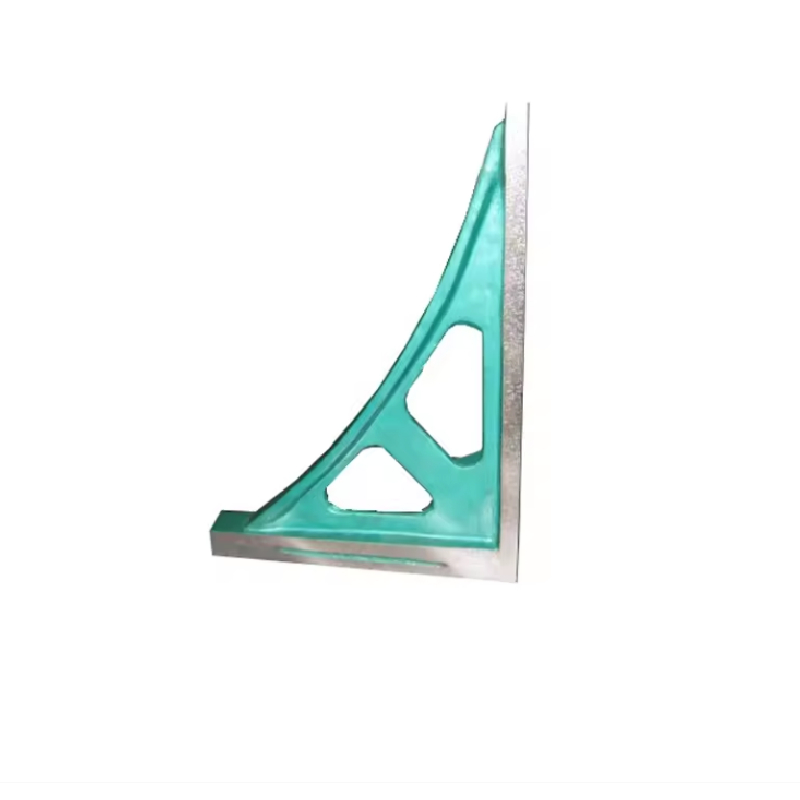
Using a Level to Align a Marking Ruler for Precision Measurements
marking ruler with spirit level .
 English